 EN
EN
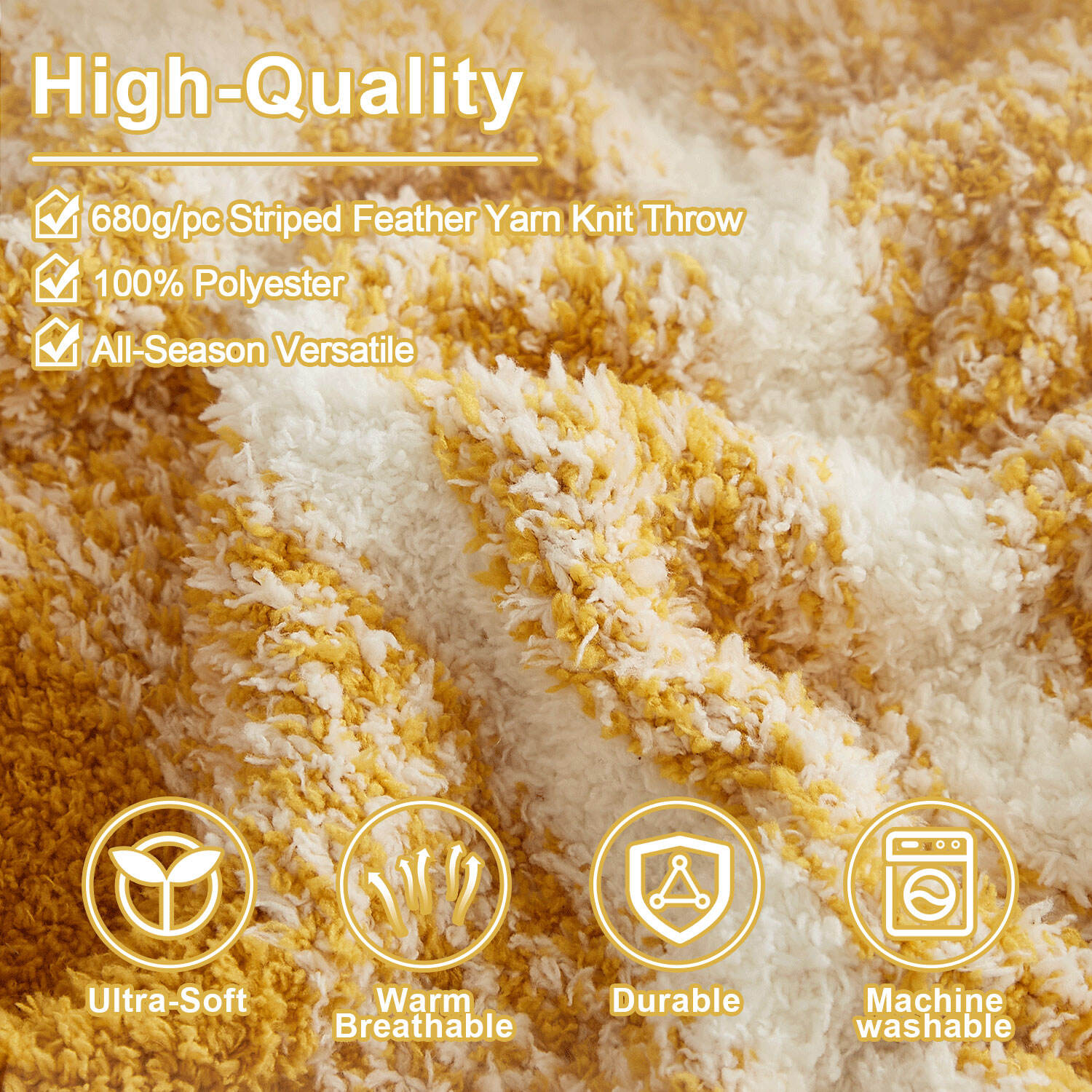
If you are considering purchasing a knitted throw or blanket, you have to be sure it doesn’t pill. Pilling occurs when small clumps of fibers gather on the surface, causing the blanket to look tired and worn. Helhoya understands that no one craves a snug blanket that’s all over the place. It is important to check out the pilling resistance as this is allows you to find a high-quality item that last long. I don’t want to throw money at something that falls apart. Knowing how to check for pilling can also help you choose the best knitted blanket for your house.
What To Check For When You Are Evaluating Wholesale Knitted Blaket Pilling Resistance
When examining knitted blankets, first and foremost take a good look at the fabric. Yarn quality makes a big difference. Softer spun yarns, such as cotton and high-quality acrylic, are generally less prone to pilling than rougher-spun ones. You may be able to gently rub your hand over the blanket and remove some fuzz. It should feel smooth and not shed, which is a good sign. Also consider how closely the stitches are worked. Denser stitches generally mean less pilling, since the yarn is held in place more securely. A blanket that has loose threads is more likely to pill. Weight of the blanket is also something to consider. Heavier blankets also last longer and are less prone to pilling than lighter weights.
Then look for any tags or labels that say that it is resistant to pilling. Some blankets are finished to avoid pilling. You can also ask the seller about the blanket’s history. If they have feedback from other customers, that can give you a better sense of the blanket’s durability. Just remember, it’s always wise to go with a trusted brand like Helhoya that backs its products. Lastly, test touch before buying in bulk if you can. That ensures that the blanket is to your satisfaction.
How To Recognize The Premium Knitted Blankets With Excellent Pilling Resistance
It’s easier to find quality knitted blankets when you know what to look for. First, check the yarn type. Pilling is generally less of an issue with natural fibers like wool and cotton than with synthetic ones. Opt for blankets crafted entirely from natural fibers, or from good-quality blends. Look for certificates or quality marks on the blanket. These might demonstrate that the product passed some sort of test and meets certain standards, which can be a good indicator of quality.
Check the care instructions. Good blankets will include washing instructions too. If a blanket is machine washable and dry-able no strings attached (or fussy instructions) that probably means it’s well made. You can feel the texture, too. The softness of the yarn, when it’s smooth to touch, this also indicates you have some really nice yarn which is less likely to pill.
And the design and construction shouldn’t be overlooked either. Good blankets are evenly stitched, and that doesn’t leave loose ends. When you pick up the blanket, it should have a nice weight to it, not be thin or floppy. If you see any flaws or signs of irregularity, that one might be best to pass. Finally, you can get a lot of useful information from customer reviews. It may be helpful to read what other people say about the blanket in order to determine its pilling resistance. Helhoya products are known for their quality, so when you’re making a purchase from them, reading the reviews will be beneficial.
What Standards Need to be Followed While Testing for Pilling Resistance in Throws?
If you’d like to test how a knitted throw or blanket will hold up against pilling, there are several specific testing standards to follow. Pilling occurs when tiny, balls of fabric develop on the surface and give it a worn or older appearance. Pilling resistance can be tested by Martindale Test, Pilling Tester etc. This is the tests for how much a fabric will pill over time.
A sample of the fabric is rubbed against a standard material with some weight. This emulates the way the blanket will be used in real life. The test makes a fixed number of rubs, typically about 10,000. After the testing, experts will examine the fabric and see how many pills have formed. The more pills that are shaped, the worse pilling resistance of under blanket.
Another popular test is the “Pilling Tester,” which involves a special machine that rubs the fabric in a controlled manner. This machine can demonstrate how the fabric responds to friction, which is what creates pilling. After employing these tests, corporations like Helhoya will obtain confidence that their products are indestructible and stand to wear longer for their customers.
It’s also useful for companies to adhere to standards established by entities such as ASTM (American Society for Testing and Materials) or ISO (International Organization for Standardization). These groups develop protocols to ensure tests are carried out safely and accurately. Adhering to these standards is what helps consumers feel confident that they are purchasing a good product. When a knit blanket passes these tests, it indicates that it can hold up to everyday use without too much pilling. That inspires confidence in buyers for exactly the same reason they know they are getting a good throw, or blanket, one that will stay looking nice for quite some time.
Where Do Wholesale Customers Get High Quality Knitted Blankets with Less Pilling?
Wholesale purchasers seeking high-quality knitted blankets with low pilling should consider a couple of great options. Trade shows are really one of the best places to start. These events attract numerous suppliers and manufacturers as they showcase what they have to offer. Buyers at these shows can handle the various blankets and ask about how they are made. This is a good opportunity to discover a brand, such as Helhoya, that emphasizes quality materials and resistance to pilling.
Online markets are also good places to find blankets if you decide that all other methods above don’t work for you. Wholesale-focused websites may have products for sale from multiple suppliers. Shoppers can filter their search by material, price and other essential features. Reading reviews from other purchasers can also help to confirm that the blankets are of high quality and won’t pill with use.
It can be helpful to buyers who want to ensure they are getting a fair price by establishing contact directly with manufacturers. Most companies, Helhoya included, are more than willing to send you samples. This way, buyers can sample the blankets for softness and pilling resistance before placing a large order. It is also a good idea to ask what the blankets are made of. Sometimes, natural fibers like cotton or wool will resist pilling better than man-made fabrics.
Consumers can also look for certifications that indicate the quality of a blanket. Testing organizations can issue certifications that Co2Blank has passed testing to resist pilling and meets industry standards. These actions make it easier for wholesale buyers to discover knitted blankets of premium quality which will not suffer from pilling and will guarantee that their customers are satisfied with the purchase.
Simple Tests for Pilling Resistance on Knit Throws
If you’d like to assess whether a knitted throw is likely to resist pilling, there are some straightforward tests you can do at home. First, locate a small spot on the blanket you can use to test. Pick a place where it won’t be that visible, such as the corner. You’re looking for any pilling.
One such test is done with a piece of tape. Grab a piece of clear tape, then press it lightly on the fabric. Then, pull it off quickly. If you can see little balls of fabric stuck to the tape, then it’s an indicator that the blanket is likely to pill. This is an easy way to test pilling resistance without special tools.
Another way is to simply stroke the blanket with your hands. Pick up a small section and rub back and forth for about 30 seconds. Post-rub, examine the fabric beneath. If you notice any pills forming, it could be an indication the throw is not very pill-resistant.
Lastly, comparing the throw to other blankets you already have can be a helpful better judgment. You don’t want your throw to look like it’s shedding after collecting a pile of other people's hair from the subway seat, right? You can tell which looks nicer and feels softer.
With these simple tests, you can get a sense of how well a knitted throw from Helhoya or any company might stand up to pilling. This will guide what kind of blankets to buy and bring home or give. Good throws should not only look good but feel good (for a long time!)
Table of Contents
- What To Check For When You Are Evaluating Wholesale Knitted Blaket Pilling Resistance
- How To Recognize The Premium Knitted Blankets With Excellent Pilling Resistance
- What Standards Need to be Followed While Testing for Pilling Resistance in Throws?
- Where Do Wholesale Customers Get High Quality Knitted Blankets with Less Pilling?
- Simple Tests for Pilling Resistance on Knit Throws