
 EN
EN
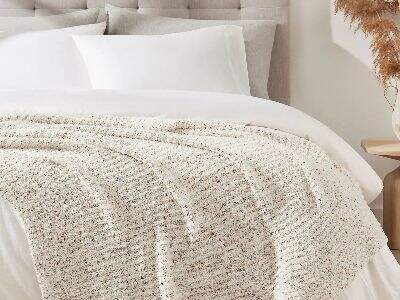
Getting throws and blankets through can feel tricky with customs rules. But fear not, Helhoya is here to help guide you through what to look for. When shipments come in from another country, customs officers inspect the paperwork and the goods. This is in order to ensure that everything is fine and compliant with the laws. Fail to follow the rules and your throws and blankets could be held up or you may pay extra fees. Knowing a little about customs can keep you out of big trouble. It’s akin to having a map in hand before heading out on a trip; you arrive where you mean to without wandering off course or getting bogged down. Though the steps may feel arduous, each one works to safeguard your business and ensure that your products reach customers whole and well
Customs Regulations for Wholesale Throws and Blankets, What You Need to Know
When you bring in copious amounts of throws and blankets, customs gets weird. For starters, you have to have the right paperwork. This often comes with a commercial invoice that states what you are buying, how much it costs and where it is from. Without that, customs may detain your package. On occasion, customs require additional papers: a packing list describes how the blankets are packed. If the throws are made of certain materials, such as wool or cotton, there may be special rules regarding how they can be labeled or treated. In some cases, countries want a certificate to demonstrate the material is safe or pest-free. You also have to pay duties or taxes; essentially fees for the value and type of goods that you import. These charges can vary based upon local country regulations so please check before importing
It’s like you send a massive box that has blankets in it, but one paper is not there. Customs could hold the box for days, and your customers wait. That sort of delay can add up to money and trust. Helhoya has encountered many such cases and found that, as in so much of life, the best defense is preparation. And it can help to use a customs broker. Those are professionals who know the rules and can ensure your shipment clears customs with relative ease. They fill out the paperwork and speak with customs officers so you don’t have to. Of course, it helps to understand the basics yourself so that you’re in control and know what not to be surprised about
Sometimes, customs rules change suddenly. One day, a material might require additional processing, only to be sent to a new tax the next. It’s always nice to have a regular look for updates. Helhoya is always keeping an eye out for these shifts so we can advise our partners accordingly. Want to bring in throws and blankets with no hassle? Prep in advance, pack the right papers, and don’t skip looking over the rules. It’s a step that may require time and energy but saves much more later
What Are the Major Customs Requirements When Importing Throws and Blankets
There are some things customs officers want when you’re importing throws and blankets. They want to know specifically what you are taking in. This means you have to be specific in listing your items. Saying “blankets” is not enough. Need to say if they are wool, fleece, cotton, or some sort of synthetic. Each substance may play by different rules. For instance, natural fibers such as wool may require health certificates to prove they are clean and safe. Synthetic blankets generally tend to face fewer restrictions but also need to be properly labeled
Where the throws and blankets were made also matters. And the tariffs are part of a larger campaign by President Trump to rewrite the terms of trade with many countries and shore up industries he says have been hurt by imports such as steel, aluminum and washing machines. The throws, if from a country that has a free trade agreement, may be subject to lesser duty. But if the country is on a “limited” list, customs workers may need to do additional checks, and could potentially even block the shipment
Yet another crucial rule is the way you price your goods. Customs relies on the declared price to determine how much tax you pay. If it is too low, or you are otherwise making the officials suspicious for any reason, you can be asked to show them proof of the real cost. This can result in delays or penalties. So be honest and accurate in what you submit for invoices or receipts
Customs also examine safety and labelling. Throws and blankets would have to meet safety standards in the country you’re importing them into. For instance, some areas require fire retardant labels or warnings on materials that might cause allergies. Packaging has to display the proper information, such as the manufacturer’s name, country of origin and care instructions. If the labels are missing, then customs will refuse shipment
Helhoya has learned the hard way that leaving anything out, even something small, can derail an entire shipment. Once, a customer’s blankets were held up because the labels weren’t in the correct language. The customs officers explained that they could not approve them without the corrected labels. Of course, between these two ships and that one there was almost a month during which additional storage fees were incurred, and sales not made. So, it is not just a question of rules to keep track of every detail; it’s about making sure your business keeps moving along smoothly
In brief, the primary customs requirements are accurate details, accurate origin information, honest prices and correct labeling. As long as you memorize those two rules, importing throws and blankets isn't so hard. Helhoya repeats often to customers: If you’re meticulous about customs, the delivery is successful

Where to Get Recent Customs Tariffs for Throw and Blanket Import Products
When you are going to want to start bringing throws and blankets into the country from another place it is super important that you know what type of customs tariffs that you may have. Customs tariffs are, essentially, taxes or fees that the government imposes on you when goods come into the country. These can be changed frequently, and you will want the most current information before you import. A good way to determine this is by checking the website of the official customs organization in the country you plan to take your throws and blankets. These websites typically have a tab for tariffs or import duties. You can find the product by its name or with a special code (the HS code). HS codes are a number that allows customs officers to understand the term of the item being imported. There is even a specific HS code that you can look up for throws and blankets. Im Helhoya we advise you double check with the official customs page, as third party sites can have outdated or incorrect information. Another option is to inquire about updated tariffs with customs by directly emailing or calling their offices. Websites are not always as good at explaining the rules, or the tariffs, for that matter. In addition, some countries have what are known as online tariff calculators that allow you to input the product information and receive an estimate of how much duty you owe. And as a reminder: Tariffs are not identical across the board. Countries have varying rates, and even materials used for throws and blankets, perhaps wool or cotton, can result in a change in the tariff amount. So be sure to take your time and confirm you have the latest right numbers. That way, as you import throws and blankets, you can prevent any surprises and know where your costs are at all times. Helhoya always instructs customers to keep abreast of such laws to ensure that imports are smooth and problem-free
How to Overcome Common Customs Problems When You Import Throws in Bulk
Sometimes it can be a bit tricky to import throws/plaids in bulk as sometimes you might face issues due to customs’ rules. One common challenge is paperwork. Customs needs to see the correct documents that describe what you’re bringing in, how much it weighs and where it comes from. If your documents are incorrect or lost, customs may detain your throws for weeks, which delays getting products into the hands of customers. To remedy this, Helhoya always tells the other to prepare with care all the relevant papers. These documents are the commercial invoice, packing list, and bill of lading. Another challenge is product inspection. Customs might be looking to inspect those throws to ensure they match the description on the documents and that they are safe for entry into the country. If your throws have components fashioned using limited materials or fail to conform to safety standards, they could be rejected by customs. To prevent people from doing this we make sure all Helhoya throws meet the rules and general standard before sending them out. One is to understand the rules of other countries. In some countries, certain dyes or animal fibers are heavily regulated. Or they impose a limit on how many throws you can bring in at a time. You don’t want to be on the hook for fines or delays. Helhoya lends a hand by doing extensive research of the rules in each nation before shipping major orders. And finally, correctly paying the right import duties and fees can be difficult. Sometimes companies estimate and pay too much or too little, and run into trouble down the road. Helhoya meticulously estimates these fees upfront so there are no surprises. By organizing good paperwork, following safety guidelines, understanding each country’s laws and calculating fees correctly, you will be able to avoid most problems importing throws in bulk. This shortens the whole process and makes it relatively painless

How to Estimate Import Taxes and Charges on a Container of Blankets
When you work out a large cost on blankets you have to be able to figure out how much money you will need to pay in import taxes and fees. These taxes and fees can impact the cost of your blankets very much, so calculate them properly. The first thing to know is the customs tariff rate for blankets at the destination country. As previously stated, this percent is typically a percentage of the blanket value. If, for instance, the tariff rate is 10% and your blankets add up to $1,000, you will face a tax liability of $100. But charges on import isn’t always that easy to determine. Customs tends to look at the entire value of the goods, in this case, the price of the blankets plus shipping and insurance. So, if you bought the blankets for $1,000 and paid an additional $200 to get them shipped here, customs will add up bills from both of those amounts in order to tax them. In addition to the tariff, you can also be charge other fees such as customs processing or value-added tax (VAT). VAT, The price of goods when they enter a country, on which many countries impose a tax. The rate can vary depending on the country. For instance, if the VAT rate is 15 percent and the value including tariff is $1,300, you would owe $195 in VAT. Helhoya tries to make those calculations easier, by using special formulas and online tools that enable us to make these calculations of the total import cost before we ship. In this manner, we can offer the customer an all-inclusive price including all taxes and fees. It’s also wise to hold onto all of your receipts and paperwork, as customs officials may request proof of the amount you declared. And if you don’t have the right paperwork, so may your blankets get held up at customs. In short, determining import taxes and duties entails knowing the tariff rate, factoring shipping costs, and adding extra taxes like VAT
Table of Contents
- Customs Regulations for Wholesale Throws and Blankets, What You Need to Know
- What Are the Major Customs Requirements When Importing Throws and Blankets
- Where to Get Recent Customs Tariffs for Throw and Blanket Import Products
- How to Overcome Common Customs Problems When You Import Throws in Bulk
- How to Estimate Import Taxes and Charges on a Container of Blankets